Filter by

Frequently Asked Questions

Hair breakage is usually caused by weakened bonds inside the hair fiber. Heat styling, bleaching, coloring, chemical straightening, rough brushing, and tight hairstyles all wear these bonds down over time. Sun exposure and very dry conditions can add to the damage, leaving hair more fragile and prone to snapping. Fine and color-treated hair is especially vulnerable.
Common signs include split ends, frizz, dullness, a rough or straw-like texture, tangling, and hair that snaps easily when brushed. Damaged hair often struggles to hold moisture, so it feels dry even after conditioning, and it may lose its bounce and shine. It can also be harder to style and less able to hold a curl or blowout.
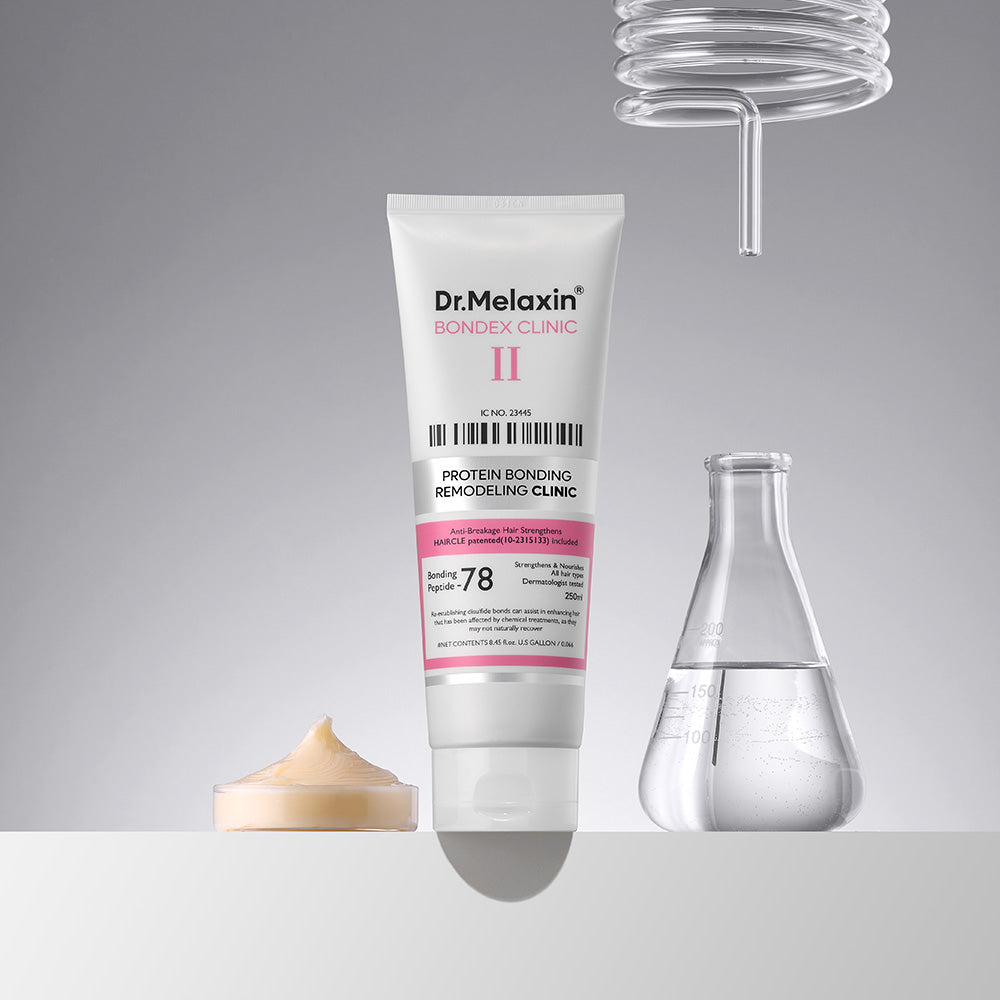
A protein treatment uses proteins or peptides to reinforce weak spots along the hair fiber, helping it feel stronger and more resilient. Bonding treatments with peptides work in a similar way, conditioning the hair so it looks smoother and is less prone to breakage. They are especially useful after coloring or heat damage. Follow the directions on the pack for how often to use one.
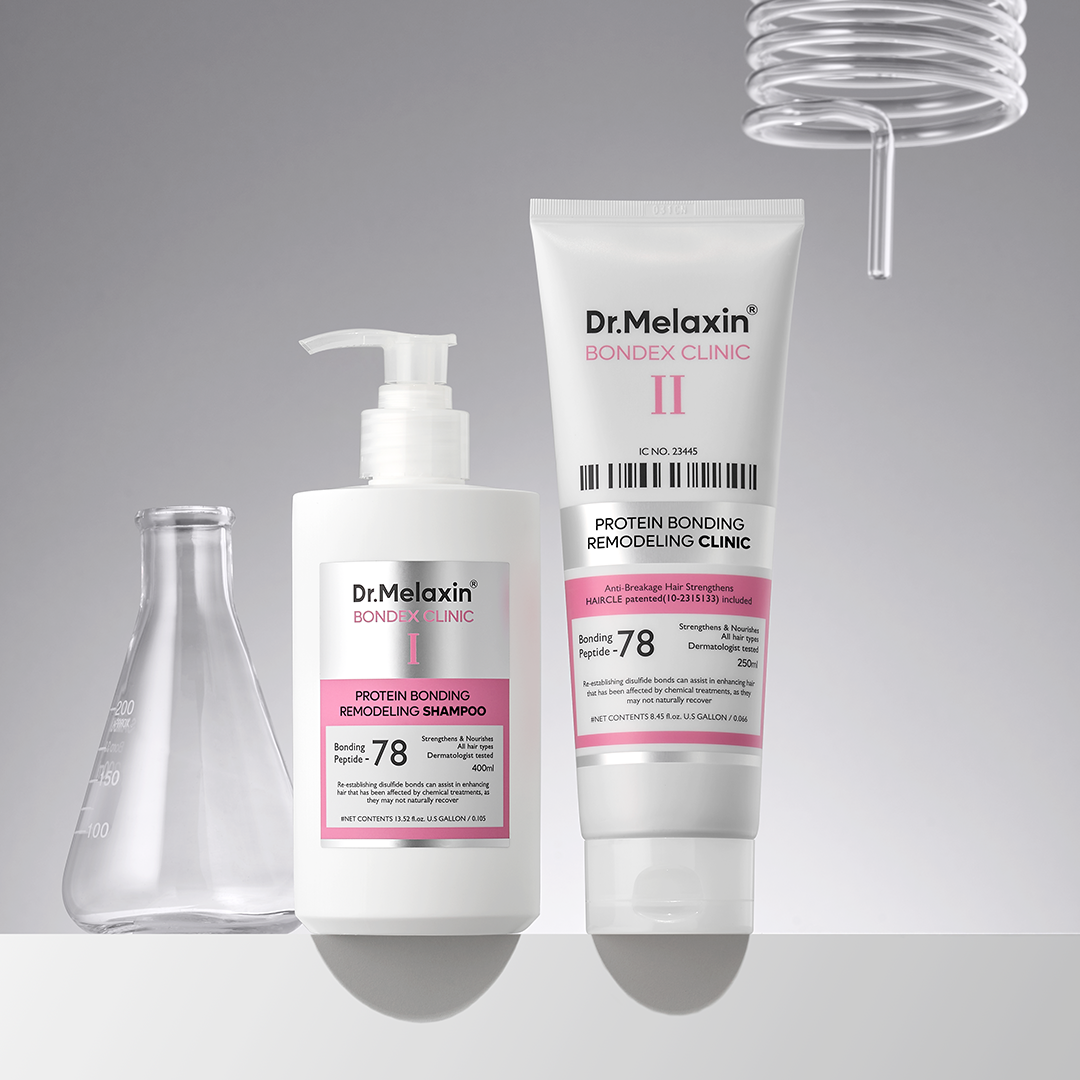
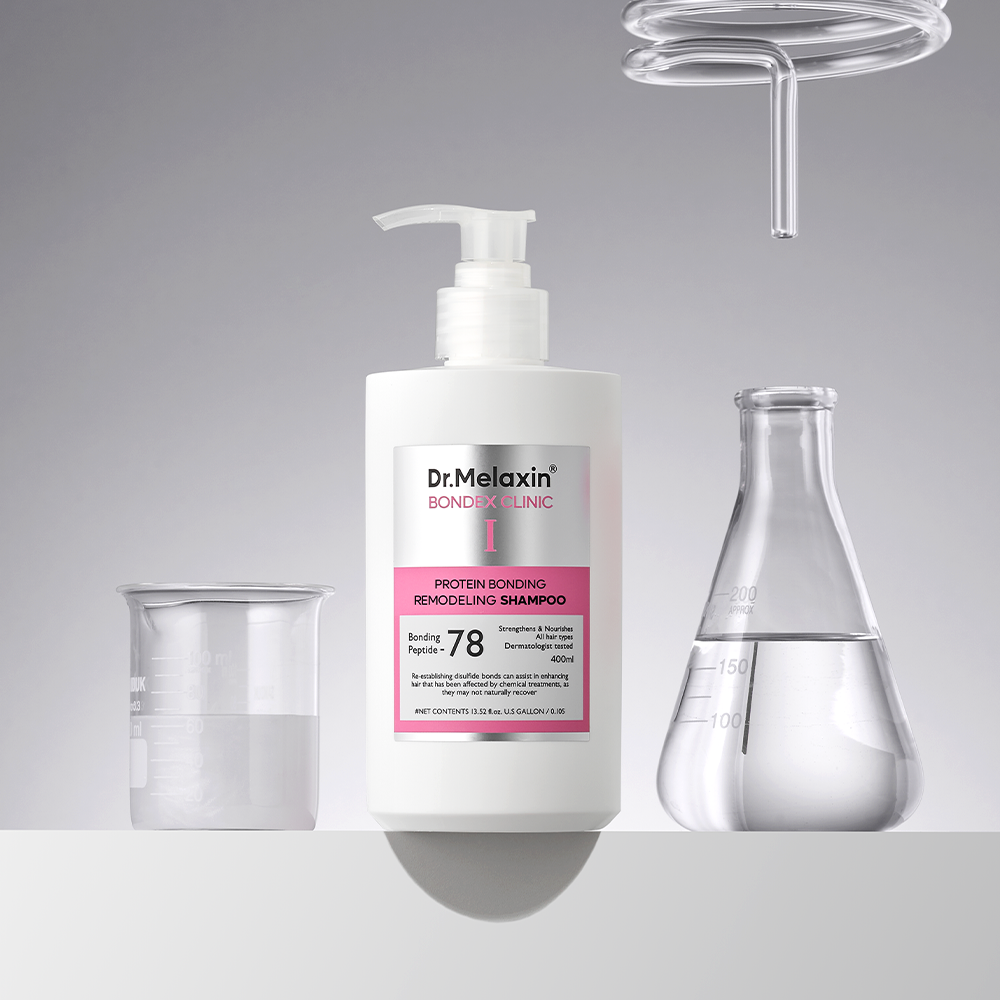
Using both gives the most complete care. A bonding shampoo cleans gently with strengthening ingredients, and a treatment adds a more concentrated layer of conditioning and bonding care. Together, they work as a two-step routine that helps hair feel stronger and smoother. Using them consistently gives better results than an occasional treatment.
Yes, very frequent protein treatments can leave some hair feeling stiff, dry, or brittle, often called protein overload. Follow the directions on your treatment and balance it with moisture from a conditioner. Adjust based on how your hair feels: stiff or straw-like hair is a sign to add more moisture and use protein less often, while limp, overly soft hair may need a little more.
Hair is not living tissue, so it cannot heal itself the way skin does, and split ends cannot be fused back together. What strengthening and bonding care can do is help damaged hair look and feel smoother, softer, and less prone to breakage. Regular trims remove the most damaged ends, while heat protection and lower heat settings help protect the rest of your hair.