Filter by

Frequently Asked Questions

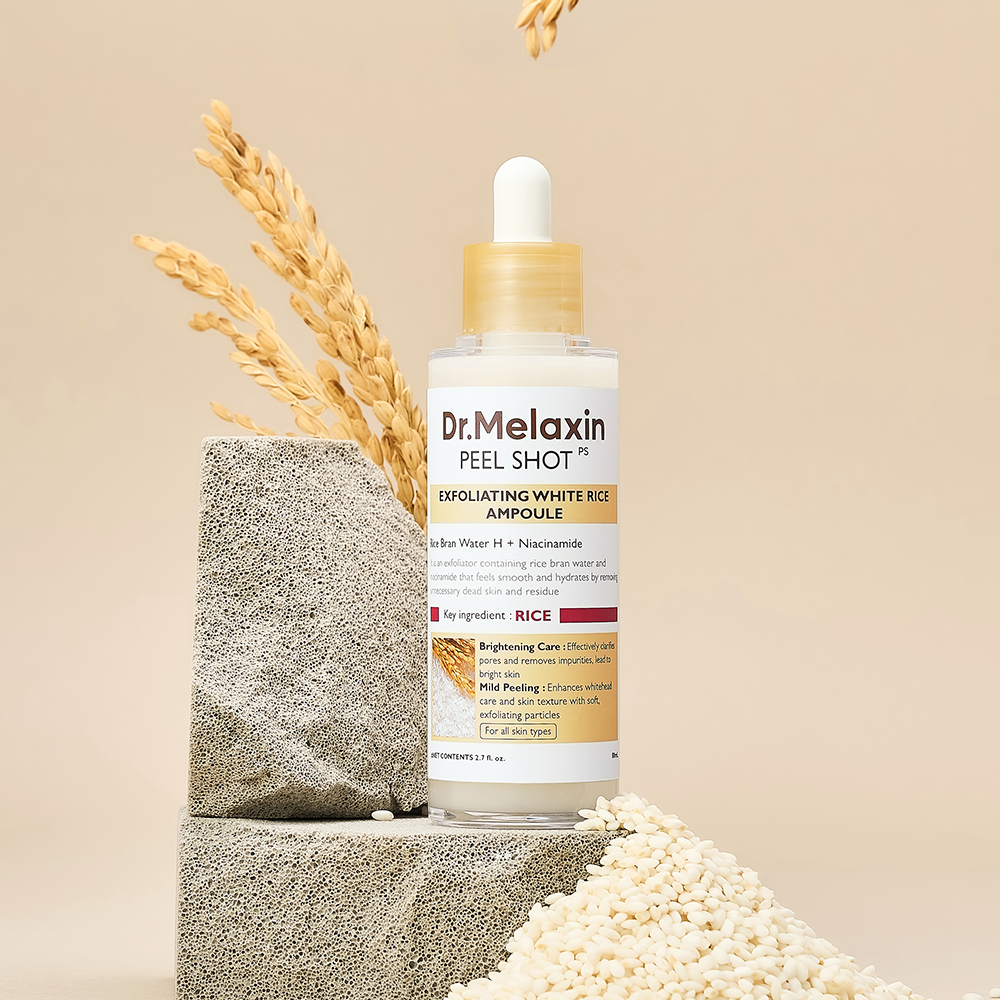
Rice water has been used in Korean and Japanese beauty routines for centuries. It contains vitamins, minerals, and amino acids that help hydrate, soften, and brighten dull-looking skin. In skincare, rice extracts and fermented rice water offer the same benefits in a stable, ready-to-use formula, often paired with gentle exfoliants for smoother, glowing skin. It suits most skin types, including oily and combination skin.
PDRN stands for polydeoxyribonucleotide, an ingredient that has become popular in Korean skincare for its nourishing, conditioning benefits. Plant-derived versions, such as rice PDRN, offer an alternative to the traditional salmon-derived form. In serums, it is used to help skin look healthier, more revitalized, and better hydrated, especially after exfoliation. It pairs well with hydrating ingredients like hyaluronic acid.
A peeling serum or ampoule is an exfoliating formula that uses gentle acids, such as AHA, BHA, or PHA, to loosen dead skin cells. Some are massaged onto clean, dry skin and then rinsed or wiped off, while others are left on, so always check the directions. Because there is no scrubbing, peeling formulas are usually gentler and more even than physical scrubs, and they help refine rough texture and the look of clogged pores. Follow with a hydrating step.
How often depends on the product and your skin, so follow the directions on the pack and cut back if skin feels tight or irritated. Oily and combination skin often tolerates exfoliation more easily, while sensitive or dry skin usually needs it less often. Follow with a hydrating step and wear sunscreen, since exfoliated skin is more sensitive to the sun. Skin may need less exfoliation in winter, so adjust with the seasons.
Common signs include tightness, stinging when you apply products, redness, flaking, a shiny or waxy look, and more breakouts than usual. Skin may also feel sensitive to products that never bothered it before. Pause all exfoliants until skin feels comfortable again, focus on gentle cleansing, hydration, and barrier-supporting moisturizers, then reintroduce exfoliation less often. If irritation does not settle, check with a dermatologist.
They can be part of the same routine, but are best used at different times. A common approach is the exfoliant in the morning or on alternate evenings, and retinol on the nights in between. Using both in one step can increase the chance of dryness or irritation, especially when you are new to either ingredient. Keeping the rest of your routine gentle on those nights helps skin stay comfortable.