

Key Takeaways
- Dark spots form when skin produces extra melanin in one area, most often after sun exposure or a breakout.
- Daily sunscreen does the most to keep existing spots from getting darker and new ones from forming.
- A dark spot corrector with brightening ingredients gives your routine a focused step for uneven tone.
- Gentle exfoliation and steady hydration help skin renew itself and look more even.
- Most dark spots fade gradually, so give a new routine at least two to three months.
One summer you notice a small brown patch on your cheek, and a few months later there seem to be a few more. These dark spots are one of the most common skin concerns. They’re usually harmless, though that doesn't make them any less annoying when you catch them in the mirror.
If you've been wondering how to get rid of dark spots on your face, the best place to start is figuring out where they come from. Each trigger behaves a little differently. Once you know what you're working with, it gets much easier to build a routine that helps them fade over time.
6 Common Causes of Dark Spots on Skin
Dark spots on skin all start the same way. Something prompts your skin to make more melanin, the pigment that gives it color, and that extra pigment settles in one place instead of spreading out evenly. What sets the process off is where things vary.
1. Sun Exposure
UV rays are the most common trigger by far. Melanin is your skin's natural way of shielding itself from the sun, so every unprotected hour outdoors tells it to produce a bit more. Over the years, that pigment can gather in small clusters. This is why sun spots usually appear on the cheeks and forehead, the parts of the face that catch the most light.
2. Breakouts and Post-Acne Marks
A pimple can leave a reminder long after it heals. Inflammation around a breakout signals skin to make extra pigment, and once the blemish is gone, a flat brown or reddish mark often stays behind. These marks tend to be more visible on deeper skin tones. Caring for breakouts early with gentle acne care can help keep them from piling up.
3. Hormonal Changes
Hormones can make skin more reactive to sunlight. Some people notice larger, patchy areas of darker skin during pregnancy or while using hormonal birth control. This type of pigmentation is often called melasma, and it usually shows up on the cheeks and upper lip. Time in the sun tends to make it more noticeable.
4. Natural Skin Aging
As skin gets older, it renews itself more slowly, so pigment that used to shed away with old cells stays on the surface longer. Add years of sun exposure to that, and small patches of color start to build up. These age spots usually appear on the face and the backs of the hands, the areas that have spent the most time in the sun.
5. Cuts, Bug Bites, and Other Skin Injuries
Any injury that causes inflammation can leave a mark. A scrape or an insect bite you kept scratching may leave a darker patch once the skin underneath has healed. Picking at a scab makes this more likely, since it keeps the area irritated for longer.
6. Irritation From Harsh Products
Skin that's constantly irritated by harsh products behaves as if it were injured. Scrubbing too hard or layering several strong actives at once can leave your face red and inflamed, and inflammation is one of the main signals that tells skin to produce more pigment. It's a frustrating loop, because people often end up with new spots while trying to fade old ones.
How to Get Rid of Dark Spots on Your Face
Fading dark spots means doing two things at once. You protect your skin from new pigment, and you give it the care it needs to let existing spots fade. The steps below cover both.
Wear Sunscreen Every Day
Sunscreen is the step everything else depends on. Without it, UV exposure keeps triggering fresh pigment, and even the best brightening products struggle to keep up. Apply a broad-spectrum SPF 30 or higher every morning, even on cloudy days.
Add a Dark Spot Corrector to Your Routine
A dark spot corrector gives your routine one step that specifically targets uneven tone.
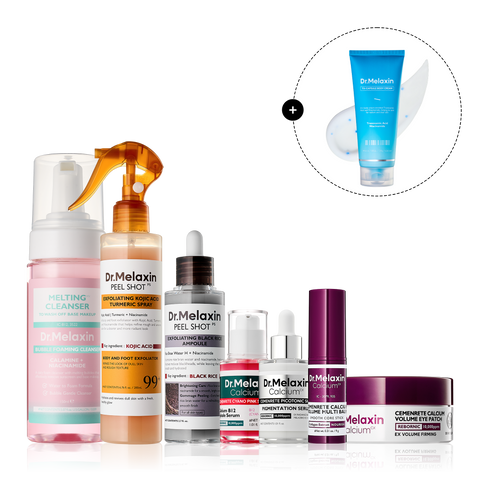
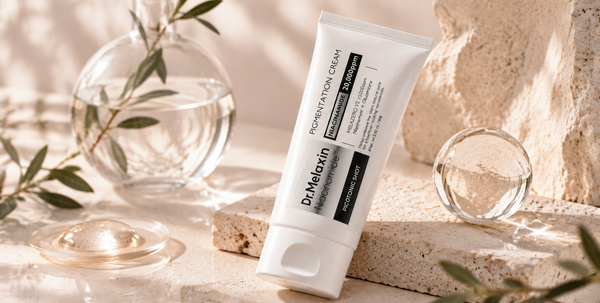
The Picotonic Shot Pigmentation Corrector Line pairs two products designed to work together, helping your complexion look brighter and more even.
The duo is built around calcium, a mineral your skin relies on as it renews itself. Its REBORNIC 10,000ppm calcium care works alongside Melazero V2, which helps improve the look of dull, uneven skin so your complexion looks clearer and brighter over time. Collagen extract and hydrolyzed elastin help skin look smoother and a little bouncier, a nice extra if your skin tends to look tired as well as uneven.
Both steps fit into your evening routine, so your skin can make the most of them while you sleep.
- After cleansing, smooth the Pigmentation Corrector Calcium Ampoule over your skin and tap it in lightly until it absorbs.
- Use the little spatula to scoop out some Pigmentation Corrector Calcium Cream and massage it in as your last step.

Choose Brightening Ingredients
A good remedy for dark spots depends on choosing an ingredient that matches the kind of spots you have.
For post-acne marks and general dullness, niacinamide is an easy place to start. It's gentle enough for most skin types, including sensitive skin, and you can use it morning or night. A formula with 2 to 5% niacinamide is plenty, since higher strengths can irritate the skin.
If your spots are patchy and keep coming back, especially the hormonal kind on the cheeks and upper lip, try tranexamic acid.
Apply your brightening product to clean skin before moisturizer, and use it every day, because steady use is what helps spots look lighter.
Exfoliate Gently and Regularly
Exfoliation clears away dull surface cells so fresher, more even-looking skin can come through. For most people, once or twice a week is plenty.
Chemical exfoliants such as glycolic or lactic acid tend to be kinder to the skin than gritty scrubs. Exfoliated skin is more sensitive to the sun, which makes your morning sunscreen even more important.
Keep Your Skin Hydrated
Well-hydrated skin reflects light more evenly, which helps dark spots look less noticeable. A healthy moisture barrier also handles active ingredients better, so you're less likely to end up with irritated skin.
Look for hydrating ingredients like hyaluronic acid, and layer a moisturizer on top to keep that moisture in.
Give Your Routine Time to Work
Skin takes around a month to renew itself, and that slows down as we get older. Most people start to see dark spots look lighter after eight to twelve weeks of consistent care. Taking a photo in the same light every few weeks makes it easier to spot progress you might miss day to day.
Everyday Habits That Help Dark Spots Fade
Your skin does a lot of the fading work by itself, and a few small daily choices help that process along. A few small daily choices can make that process go more smoothly.
- Sun protection should last all day: Sunscreen wears off, so reapply every two hours when you're outside. A wide-brimmed hat adds another layer of shade for your face.
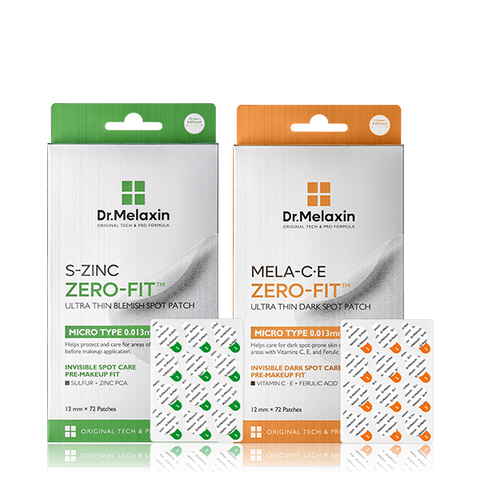
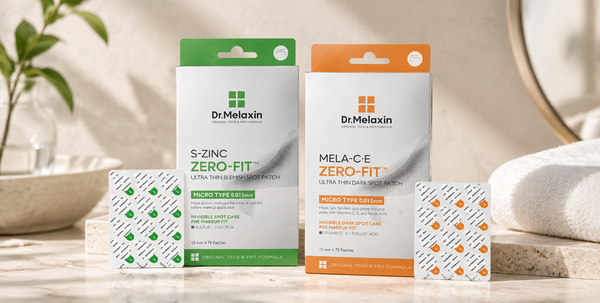
- Breakouts heal better when you leave them alone: Squeezing a pimple pushes inflammation deeper, which raises the chance of a mark afterward. Use a pimple patch to cover the blemish and keep your fingers away while it heals.
- Add actives carefully: Skin also adjusts to active ingredients more comfortably when they arrive one at a time. Try a new product two or three evenings a week before moving to daily use, and patch test it along your jawline first.
- Avoid skin irritation: Calm skin is also less likely to make extra pigment. If your routine starts to sting or leaves your skin red, pause your active products and stick to a gentle cleanser and moisturizer until your skin settles. Then bring the actives back one at a time, using them less often than before. If one product keeps causing redness, it probably doesn't suit your skin, and switching to a gentler formula is the better choice.
Final Thoughts
Dark spots can feel stubborn, but most of them respond well to a steady routine and a little patience. Protect your skin every morning and give it a targeted step for uneven tone, and the change tends to show up gradually. You might notice it first in a photo or on a morning when you reach for less concealer than usual. Every week of consistent care brings you closer to the even, bright-looking skin you're after.
![[TikTok Bestseller] Gifted Collagen Boost Set](http://drmelaxin.us/cdn/shop/files/ChatGPT_Image_Sep_30_2026_11_10_59_PM.png?v=1790790076&width=480)