

Key Takeaways
- Under-eye bags and puffiness come from different sources: fluid retention, fat pad protrusion, and skin laxity, and the fix depends on which one applies.
- Fluid-related puffiness responds well to cold compresses, head elevation, and cutting back on sodium and alcohol before bed.
- Gentle lymphatic drainage massage helps move built-up fluid out of the area, which can visibly reduce puffiness.
- A firming eye cream with peptides and calcium can help with the skin laxity behind under eye bags.
- True fat pad protrusion is a structural issue that skincare can improve the look of but can't fully resolve.
Concealer only gets you so far with puffy, tired-looking eyes. It sits on top of the problem instead of doing anything about it, so addressing the issue at its core is the only way to reduce eye bags.
Under-eye bags and puffiness come from a mix of fluid buildup, weakened tissue that lets fat push forward, and skin that's lost some of its bounce, and each of those responds to a different fix.
None of them resolve the issue overnight, but a few consistent changes in your routine and your daily habits make a real difference in how noticeable they are.
What Causes Under Eye Bags and Puffiness
Figuring out which of these underlying problems applies to you decides which treatments are actually worth your time.
Fluid Retention
Fluid buildup under the eyes causes temporary puffiness that's usually worse in the morning and improves throughout the day. Allergies, sinus congestion, too much salt, alcohol, or a rough night's sleep are the usual triggers.
How to tell: if the puffiness looks noticeably better by afternoon or after a cold compress, fluid is a big part of what you're dealing with.
Fat Pad Protrusion
The area under your eyes has a small pad of fat that's held in place by connective tissue. As that tissue weakens with age, the fat pushes forward and creates a permanent, structural bulge rather than a temporary swell.
How to tell: this type of bag doesn't change much throughout the day or respond to a cold compress, and it tends to look like a smooth, rounded bulge.
Skin Laxity and Volume Loss
Collagen and elastin production slow down with age, which leaves skin around the eyes looser and less able to bounce back. That laxity can make existing puffiness look more pronounced or create the appearance of a bag even without much fluid or fat involved.
How to tell: gently press the skin; if it feels thin and crepey rather than firm and takes a moment to spring back, skin laxity is playing a role.
Genetics and Lifestyle
Genetics plays a role in how much fat and fluid naturally collect in this area and in how early fat pad protrusion tends to show up. Lifestyle factors like smoking, dehydration, and chronic lack of sleep don't cause under-eye bags on their own but make every other cause on this list more visible.
How to tell: if eye bags run in your family or have been present since your 20s regardless of sleep or diet, genetics is likely a bigger factor than any single habit.
How to Reduce Bags and Puffiness Under Eyes
Once you know which of these is causing your under-eye bags, matching the right habits and products to it leads to the best results.
Try a Cold Compress
Cold temperatures constrict blood vessels and reduce fluid buildup, which is why a cold spoon, chilled gel mask, or eye patches kept in the fridge work well for puffiness specifically. Five to ten minutes is usually enough to see a visible difference.
Sleep With Your Head Elevated
An extra pillow keeps fluid from pooling under your eyes overnight, which is especially useful if you wake up more puffy than you went to bed.
Manage Allergies and Sinus Congestion
Allergies and sinus pressure both contribute to fluid buildup around the eyes. Antihistamines during allergy season, along with not rubbing your eyes, reduce how puffy this area looks.
Watch Sodium and Alcohol Before Bed
Both cause the body to retain more fluid overnight, which shows up first in the thin skin under the eyes. Cutting back in the hours before bed, especially the night before something you want to look well-rested for, makes a noticeable difference by morning.
Try Gentle Lymphatic Drainage Massage
Lightly massaging the under-eye area, using your ring finger and a gentle tapping or sweeping motion toward the temple and ear, helps move built-up fluid out of the area instead of letting it settle. This is one of the more effective things you can do, and it pairs well with a cold compress or a hydrating eye product.
Add a Firming, Peptide-Based Eye Cream
For puffiness that's tied more to skin laxity than fluid, and to soften the shadow lax skin can create, a firming eye cream with peptides and calcium supports the skin's structure rather than just hydrating it.
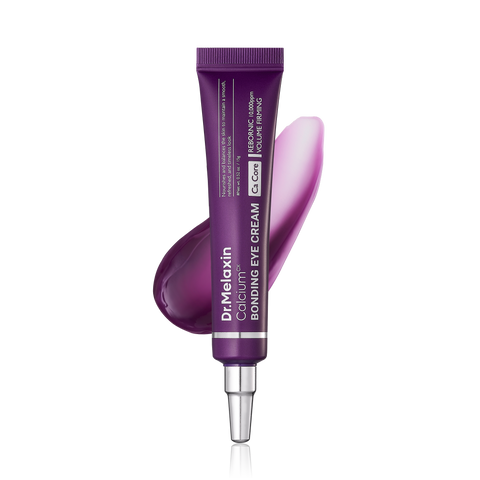
The Calcium Bonding Eye Cream is built around this idea: calcium alongside several peptides, collagen, and elastin specifically target the loss of firmness that makes bags look more pronounced.

Wear Sunscreen Around the Eyes
UV exposure breaks down collagen faster, which speeds up the skin laxity that makes bags more visible over time. A sunscreen formulated for sensitive skin protects this area the same way it protects the rest of your face.
What Is Making Eye Bags and Puffiness Worse
Here are a few everyday mistakes that affect this area more than people realize.
Rubbing or Tugging at the Eye Area
Skin around the eyes is some of the thinnest on the body, and repeated rubbing, whether from applying contact lenses or removing makeup too aggressively, speeds up the loss of elasticity that makes bags more visible. Patting products in gently, rather than rubbing them, protects the same skin you're trying to firm up.
Sleeping in Eye Makeup
Leftover makeup traps debris against the skin overnight and can trigger mild inflammation, which shows up as extra puffiness by morning. A gentle cleanser before bed prevents a completely avoidable source of puffiness.
Applying Eye Products With Too Much Pressure
The eye area doesn't need much product or much pressure to absorb it. Pressing or dragging skin while applying cream stretches already lax tissue over time. A light tap works a product in without adding to the problem you're trying to fix.
Treating It Inconsistently
Using a firming eye cream or cold compress only when bags look bad undercuts most of what either can do. Puffiness and skin laxity both respond to routine, not occasional effort, so starting and stopping soon after is one of the most common mistakes people make.
Final Thoughts
Bags and puffiness usually come down to some mix of fluid, fat, and skin laxity, and figuring out which one applies to you makes every step after that far more effective.
Start with the basics, a cold compress, sleep, and cutting back on sodium and alcohol, then add a firming eye cream if skin laxity is part of the picture. Given a few consistent weeks, most people see a real difference in how tired their eyes look, even if a structural bag never fully disappears without a procedure.