
Moisturizing
-
Cactox & Collagen Multi Pore Firming Balm Duo#Cactus #Collagen #Instant CoolingRated 5.0 out of 5 stars1 Review$21.60 $36.00
-
Cactox V-Lifting Mewing Band 4EA#Cactus #Jawline shaping #Neck liftingRated 5.0 out of 5 stars1 Review$10.20 $17.00
-
Cactox Pore Relief Multi Balm#Cactus #Puffy Skin #Instant CoolingRated 4.0 out of 5 stars5 Reviews$23.00
-
-
-
-
-
-
-
-
-
-
Kojic Acid Turmeric Serum Soap#Tone Care Cleanse #Elastic Serum SoapRated 4.8 out of 5 stars33 Reviews$8.00
-
-
Peel Shot Exfoliating Glow Rice Line#Skin texture #Blackheads #WhiteheadsRated 4.9 out of 5 stars583 Reviews$43.00
-
Peel Shot Glow Black Rice Ampoule#Skin texture #BlackheadsRated 4.8 out of 5 stars514 Reviews$20.00
-
Peel Shot Glow White Rice Ampoule#Skin texture #WhiteheadsRated 4.9 out of 5 stars583 Reviews$20.00
-
-
-
-
Cactox Pore Relief Scrub Cleansing Oil#Cactus #Blackhead Control #Moisture LockRated 5.0 out of 5 stars1 Review$13.80 $23.00
-
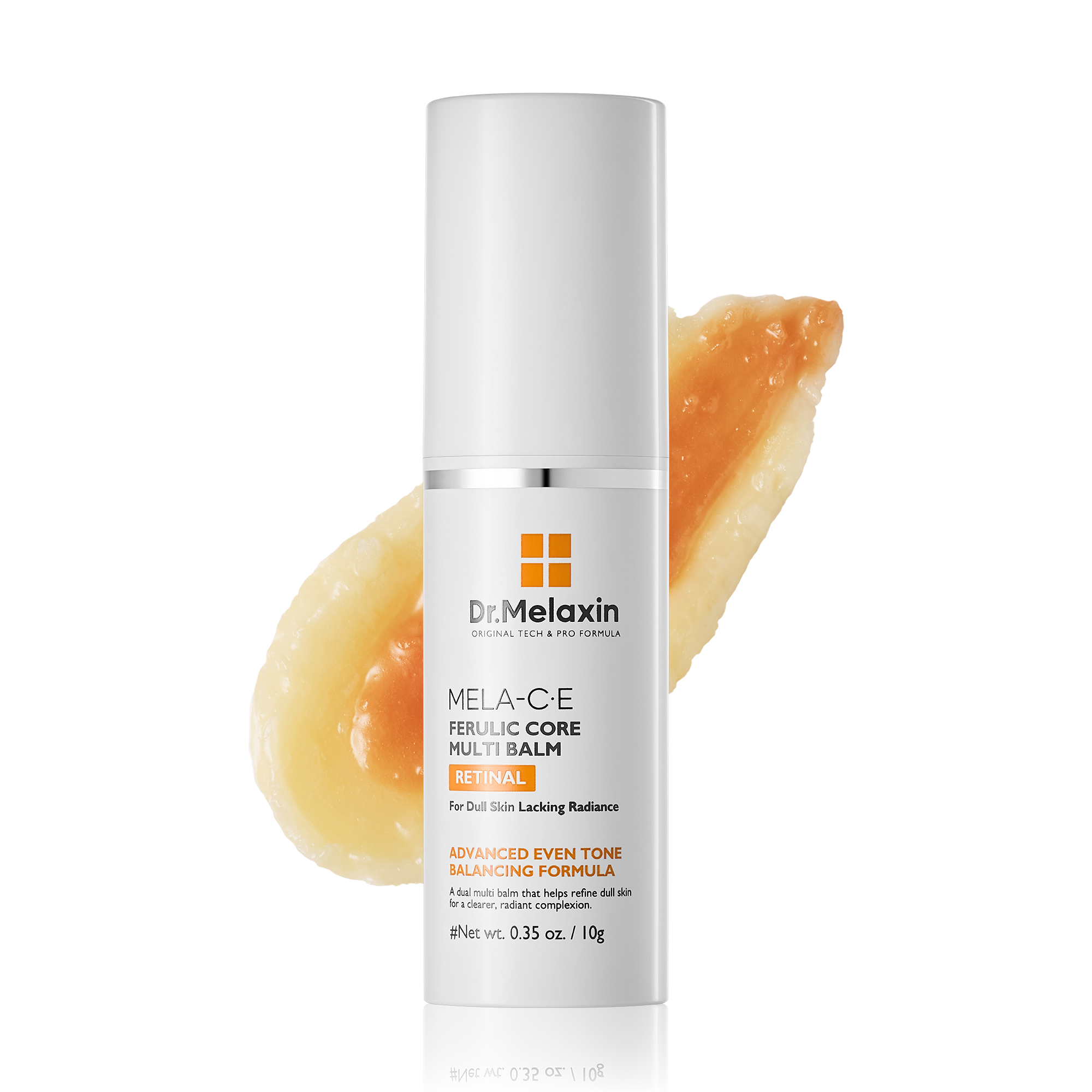
MELA-C·E Ferulic Core Multi Balm#Mela-C·E Ferulic #RETINAR-X #BrighteningRated 5.0 out of 5 stars1 Review$23.00
-
-
-
-
-
-
Calcium Bonding Barrier Repair Toner#Calcium #BarrierRepair #FirmingTonerRated 4.0 out of 5 stars1 Review$23.00 $35.00
-
Rated 4.8 out of 5 stars32 Reviews$23.00 $28.00
-
Rated 4.8 out of 5 stars32 Reviews$23.00 $28.00
-
Rated 4.8 out of 5 stars32 Reviews$43.00 $56.00Discover the Dr.Melaxin Zero Fit Blemish & Dark Spot Patch Duo. Target emerging blemishes, post-blemish marks, and dark spots with ultra-thin 0.013mm patches.
-
-
-
-
-
[New Drop] S-ZINC ZERO FIT Ultra Thin Blemish Spot Patch#BlemishCare #SpotPatch #UltraThinPatch #ZincPCARated 4.8 out of 5 stars32 Reviews$23.00 $28.00