

Key takeaways
- A damaged skin barrier usually causes dry skin: treating it means rebuilding the barrier rather than layering on more lotion.
- Small daily habits are important: lukewarm showers and moisturizing within minutes of washing do more for dry skin long-term than any single product.
- Dermatologist-approved ingredients: Ceramides, hyaluronic acid, glycerin, and squalane either pull water into skin or rebuild the barrier directly.
- Be careful with exfoliating: Exfoliating too often makes dry skin worse, not better, since it strips away the barrier you're trying to repair.
- Know when to see a dermatologist: Persistent dryness, cracking, or itching that doesn't respond to moisturizer can be a sign of eczema or another condition.
If you moisturize every morning, but by afternoon your skin is tight again or flaking around your nose, it’s usually a sign your skin barrier isn't doing its job. More lotion won't fix a barrier problem by itself.
Multiple internal as well as external factors wear that barrier down over time. Once it's compromised, the ingredients you use and the order you apply them start to matter more than how much you're applying.
Dermatologists treat dry skin by rebuilding that barrier directly, and most of that work comes down to a handful of daily habits and a few key ingredients, not a drawer full of products.
What Causes Dry Skin
Dry skin happens when your skin barrier, the outer layer that keeps water in and irritants out, isn't working the way it should. Multiple things wear that barrier down, often more than one at a time.
Weather and Low Humidity
Cold air holds less moisture, and indoor heating dries it out even further. This is why dry skin gets worse in winter for a lot of people, even those who don't struggle with dry skin the rest of the year.
Hot Water and Over-Washing
Hot showers and frequent handwashing strip the natural oils that hold moisture in. The hotter the water and the longer the exposure, the more it pulls from skin that's already trying to hold onto what it has.
Harsh Products
Fragrance, sulfates, and alcohol-based ingredients in cleansers and toners break down the skin barrier faster than it can rebuild. This is especially common with bar soap and older-formula acne products.
Aging
Oil production slows down naturally as people get older, so skin that used to stay balanced on its own starts needing more help from moisturizer and barrier-supporting ingredients.
Underlying Skin Conditions
Eczema, psoriasis, and contact dermatitis all cause dryness that responds differently to treatment, often needing a prescription rather than just a richer moisturizer.
Genetics
Some people are simply born with a skin type that produces less oil and holds onto less moisture, which means dry skin shows up consistently rather than seasonally.
10 Dry Skin Treatment Tips Dermatologists Actually Recommend
These are the habits and ingredients dermatologists bring up most often for dry skin, roughly in order of how much difference they tend to make.
1. Switch to a Gentle, Fragrance-Free Cleanser
Most bar soaps and foaming cleansers strip natural oils along with dirt, which leaves skin drier than before you washed it.
A gentle, fragrance-free, pH-balanced cleanser cleans without breaking down the lipids your skin needs to hold onto moisture. Fragrance is also one of the most common irritants in dry, compromised skin, so consider cutting it out, even if you're not reactive to it yet.
2. Moisturize Within Minutes of Washing
Applying moisturizer to slightly damp skin, within about three minutes of washing your face or stepping out of the shower, helps seal in water that's still sitting on the surface. Waiting too long lets that water evaporate, and moisturizer applied afterward has less to actually lock in.
3. Skip Hot Showers
Hot water feels good, but it strips the skin's natural oils faster than warm or lukewarm water does. Dermatologists generally recommend keeping showers under 10 minutes and the water lukewarm, especially in winter.
4. Run a Humidifier
Indoor heating and air conditioning both pull moisture out of the air, and dry air pulls moisture out of skin right along with it. A humidifier that keeps indoor humidity around 40 to 60 percent helps add moisture back into dry air and prevents your skin's outer layer from becoming dehydrated.
5. Choose the Best Skincare Products for Dry Skin
Not every moisturizer treats dry skin the same way. The ones that make a real difference usually combine humectants, which pull water into the skin, with emollients and occlusives, which seal it in. Ceramides rebuild the skin's natural barrier. Hyaluronic acid and glycerin pull in moisture. Squalane and panthenol soften and smooth without feeling heavy. Products built around these ingredients tend to outperform anything marketed mainly on scent or texture. For dry, easily irritated skin, it's worth looking at products built for deep hydration rather than reaching for a general all-purpose lotion.
6. Layer a Hydrating Serum Under Your Moisturizer
A lightweight serum applied before your moisturizer gets humectant ingredients closer to the skin. That's where they actually pull in water. Your moisturizer goes on top to lock that hydration in.
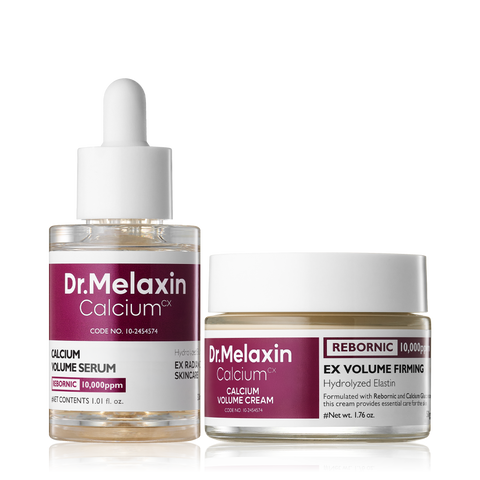
Duos built around this two-step idea, like the Calcium Bonding Serum & Cream Duo, pair a niacinamide and hyaluronic acid serum with a richer follow-up cream, which follows the same serum-then-seal logic.

7. Exfoliate Gently
Exfoliation removes the dead skin cells that make dry skin look flaky, but overdoing it strips away the barrier you're trying to rebuild in the first place. Once or twice a week with a mild chemical exfoliant, like a low-percentage lactic acid, is usually enough. If your skin is actively dry, cracked, or irritated, skip exfoliating until it calms down.
8. Wear Sunscreen Daily
UV exposure damages the same barrier that keeps moisture in, so sun protection isn't just about wrinkles and dark spots. A moisturizing sunscreen does double duty for dry skin types, since many are formulated with hydrating ingredients built right in.
9. Use an Occlusive in Problem Areas
Apply a thin layer of an occlusive like petrolatum or a dense balm over your regular moisturizer for patches that stay dry no matter what you do, like elbows, knuckles, or heels. It traps water against the skin overnight. This technique isn't for every skin type or every night, but it's one of the fastest ways to calm down a stubborn dry patch.
10. Watch Your Diet and Hydration
Drinking enough water and eating enough healthy fats supports skin from the inside, though it won't undo damage from harsh products or hot showers on its own. Alcohol and excess caffeine can also contribute to dehydration that shows up on skin first.
When to See a Dermatologist
Most dry skin responds well to the changes mentioned above within a few weeks. But a few signs suggest it's worth getting a professional opinion instead of continuing to test products on your own:
- redness or cracking that doesn't improve with moisturizer
- intense itching
- patches that look inflamed rather than dry
- dryness that's new and hasn't responded to anything after a month of consistent care
These signs can point to eczema, contact dermatitis, or another condition that might need a prescription-strength treatment rather than an over-the-counter moisturizer.
Final Thoughts
Dry skin usually responds fast once you find the right combination of habits and ingredients; most people notice less tightness and flaking within a couple of weeks.
Start with the basics like a gentler cleanser, lukewarm water, and moisturizer applied while skin is still damp, then build from there. Stick with a routine for a few weeks before judging it, and pay attention to which ingredients actually work for you. That's usually all it takes to get skin back to feeling comfortable.